Nice is a good place to invest in holiday lets, but not just anywhere. The Riviera's capital has one of the deepest, most consistent rental markets in France, with demand spread across the year: tourism, business, conferences, the airport and students. Yet from one neighbourhood to the next, the price per square metre, the nightly rate and how easy a let is to run can vary twofold. Since 2026 there is another big factor: regulation, with quota zones that cap authorisations for furnished tourist accommodation (meublé de tourisme). This guide walks through the neighbourhoods worth considering, Vieux Nice (Old Town), Carré d'Or, Libération, Cimiez, Port and Musiciens, with indicative prices, expected yield and the regulatory constraints to weigh up before you buy.
Why Nice is still a safe bet for holiday lets
Before looking at each neighbourhood, it is worth remembering what makes Nice so strong. Unlike highly seasonal cities such as Cannes, where a few weeks of events bring in most of the revenue, Nice enjoys demand that is spread across the whole year. Four drivers take turns:
- Leisure tourism: the Promenade des Anglais, the old town, the beaches and the Riviera lifestyle draw visitors all year, peaking in summer.
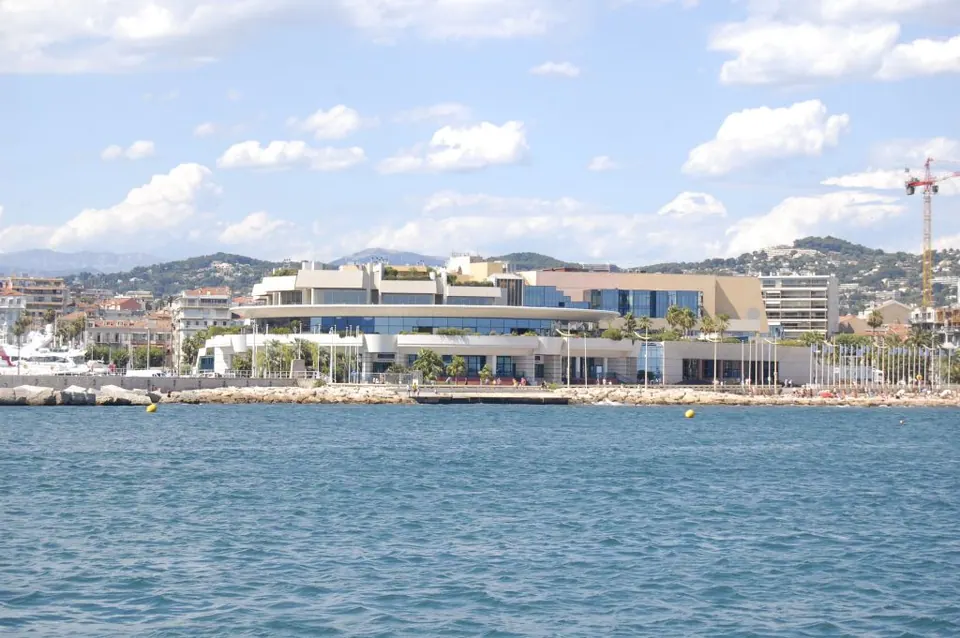
- Business and conferences: the Acropolis conference centre (Palais des Congrès Acropolis), the Allianz Riviera stadium and trade fairs.
- Nice Côte d'Azur airport, France's second busiest, bringing a steady stream of travellers and short stays.
- Students: Université Côte d'Azur, SKEMA, EDHEC, Campus Valrose, IUT Nice and Pôle Saint-Jean-d'Angély, a large pool that also supports the hybrid model (holiday letting in summer, student lease in winter).
The result: in summer 2026, our Nice properties averaged €177 a night and were booked on 85% of available nights (« Saison 2026 Azur » report, Lodgify). That consistency is what makes the investment safe. To see how yield works, our article how much a holiday let earns on the French Riviera explains how gross becomes net.
Read this before you buy: Nice's quota zones
Too many investors find this out too late. Since 1 January 2026, Nice has tightly regulated furnished tourist accommodation, and some of its most popular neighbourhoods are subject to authorisation quotas. In other words, the number of change-of-use authorisations granted there each year is capped.
The scheme covers 4 sectors: Vieux-Nice, Riquier, Port and Mont Boron, Centre-Ville and Ouest, with a ceiling of 691 authorisations for 2026 across all these zones (regulation adopted by the Metropolitan Council on 22 June 2026).
The key rules:
- For 2026, applications are open from 1 September to 31 December, online only, and complete applications are processed first come, first served.
- For a second home, change-of-use authorisation is required from the very first night, and it is valid for 5 years.
- For a main residence, you can let short term without a change of use for up to 120 days a year, but you must still register (registration number) and collect the tourist tax (taxe de séjour).
- Mixed letting (students in winter, tourists in summer) and renewals are exempt from the quotas.
Full details in our article Airbnb rules in Nice in 2026.
The strategic takeaway is clear: in a quota zone that is already full, getting authorisation to run a second home purely as a holiday let can be hard. That is exactly where the hybrid model (holiday letting in summer + student or mobility lease in winter) and the mixed letting allowed under the regulation become valuable alternatives. Rules change and vary from one municipality to the next: always check with the Métropole Nice Côte d'Azur and your accountant before you buy. Our page on holiday letting in Nice covers the local rules.
Where to invest, neighbourhood by neighbourhood
Here are the six neighbourhoods that matter most for holiday lets, with their strengths, indicative prices and yield profile. Purchase price ranges are broad market estimates, to be refined property by property.
Vieux Nice: the tourist heart
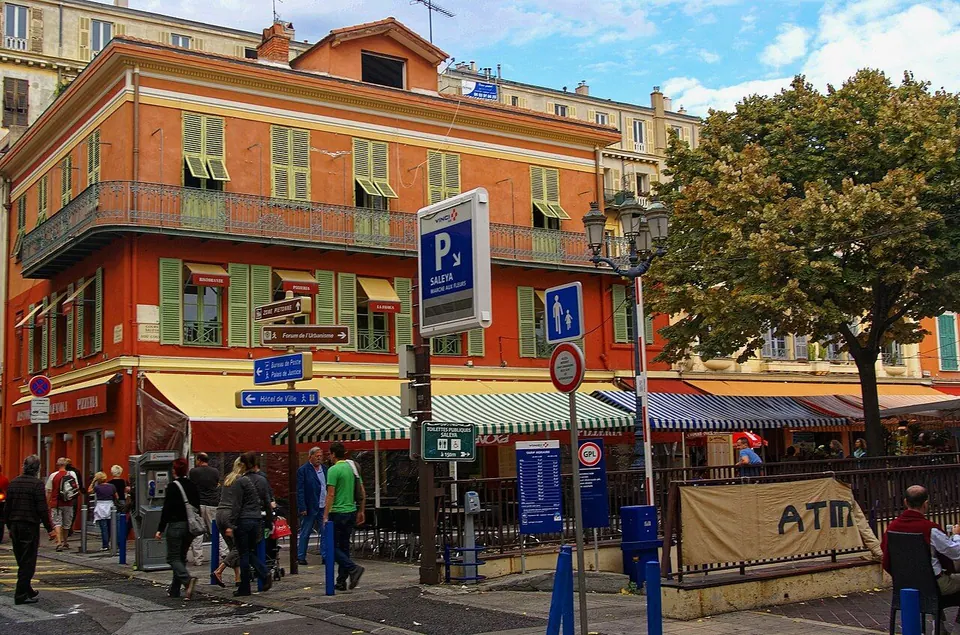
The old town is Nice's tourist magnet: colourful lanes, the cours Saleya, markets, restaurants and a one-of-a-kind atmosphere. Rental demand is at its strongest and nightly rates are high, especially for characterful properties. Two caveats, though: prices per square metre are among the highest in the city, and Vieux Nice is a very tight quota zone (47 authorisations a year under the regulation of 22 June 2026). Authorisations for second homes are therefore fiercely contested.
- Indicative purchase price: high (sought-after historic centre)
- Yield: strong nightly rate but high entry price → average percentage yield, high income in absolute terms
- Quota: very tight, so apply as soon as applications open or consider mixed letting
Carré d'Or: central prestige
Right in the centre, around avenue de Verdun and rue Paradis, the Carré d'Or is home to luxury boutiques, top hotels and discerning visitors. It is a premium location, a short walk from the Promenade and the beaches, and ideal for a high-end property with strong rental value. It sits in the Centre-Ville zone, which also has a quota, but a higher one (~298 authorisations/year).
- Indicative purchase price: very high (the most prestigious area)
- Yield: high income, moderate percentage yield because of the purchase price
- Quota: Centre-Ville zone, a more comfortable cap but worth watching
Libération: the rising star
Around the Libération market and the coulée verte park, this fast-changing neighbourhood wins people over with its authentic feel, lively market and tram links. Prices are lower than in the very centre, which automatically lifts the yield. A good compromise for investors seeking potential at a reasonable entry price, with a mix of tourists and students (the campuses are close by).
- Indicative purchase price: moderate (best price-to-rent ratio)
- Yield: attractive, thanks to a lower purchase price
- Regulations: check whether the exact address falls within a regulated zone
Cimiez: leafy and upmarket
A leafy, affluent neighbourhood up on the hills, Cimiez attracts a quieter crowd: families, longer stays and culture lovers (the Matisse and Chagall museums, the Roman arena). There is less pure tourist turnover than in the centre, but it is a sought-after setting that suits longer stays and the hybrid model with students or mobility tenants. Prices are high for the grand buildings, more reasonable in some apartment blocks.
- Indicative purchase price: high for prestige properties, moderate elsewhere
- Yield: steady, driven more by longer stays than by tourist nights
- Strength: ideal for the hybrid model (quiet, families, mobility tenants)
Le Port: authentic and on the up
The Port neighbourhood (Lympia) combines Mediterranean charm, fashionable bars and restaurants, and easy access to the sea and Mont Boron. It is popular with tourists looking for an authentic feel. It belongs to the Riquier – Port – Mont Boron zone, which has a quota but a sizeable one (204 authorisations a year), leaving more room than Vieux Nice.
- Indicative purchase price: high and rising (a fashionable area)
- Yield: good, with firm nightly rates and strong appeal
- Quota: Riquier-Port-Mont Boron zone, a higher cap than Vieux Nice
Les Musiciens: central and convenient
Between the station and the Promenade, the Musiciens neighbourhood (rue Verdi, rue Rossini, etc.) offers handsome period buildings, a very central location and both business and leisure guests. It strikes a very good balance between location and price, with steady demand all year thanks to the nearby station and centre. Part of the Centre-Ville zone (quota ~298/year).
- Indicative purchase price: high, but more affordable than the Carré d'Or
- Yield: solid, with steady business and leisure demand
- Quota: Centre-Ville zone
A free, tailored estimate in 2 minutes, with no obligation.
At a glance: neighbourhoods, prices and yield
Here is an overview for quick comparison. Levels are indicative and relative to other Nice neighbourhoods; they are no substitute for assessing each property individually.
| Neighbourhood | Purchase price | Nightly rate | Relative yield | Quota zone |
|---|---|---|---|---|
| Vieux Nice | Very high | High | Average | Yes, very tight |
| Carré d'Or | Very high | Very high | Moderate | Yes, Centre-Ville |
| Libération | Moderate | Average | Attractive | Check address |
| Cimiez | High | Average | Steady | Check address |
| Le Port | High | High | Good | Yes, Riquier-Port |
| Musiciens | High | High | Solid | Yes, Centre-Ville |
The takeaway: the most touristy areas (Vieux Nice, Carré d'Or, Port) command the best rates but come with the highest purchase prices and the toughest quotas. Up-and-coming (Libération) or residential (Cimiez) areas deliver a better percentage yield and are sometimes easier to run. The right choice depends on your budget, your goals and how much paperwork you are willing to take on.
The strategy that protects your investment in Nice
With quotas in place, pure holiday letting is not always the winning strategy. Depending on your property and its zone, three approaches are worth considering:
- Pure holiday letting, if you get the authorisation (a second home in a quota zone with places left, or a main residence within the 120-day limit). The highest income, but you need to be ready to apply the moment applications open.
- The hybrid model: holiday letting in summer, then a student or mobility lease from September to May. It secures income all year even if your holiday letting authorisation is limited, and taps into Nice's huge student population.
- Mixed letting, expressly allowed under the Nice regulation (student letting for 9 months + tourist letting for 3 summer months, under City/Metropolitan agreements): a legal framework built to make a property pay all year in restricted zones.
This flexibility is what we do best. For more on the mobility lease, see our article the bail mobilité explained; to compare the options, read holiday letting vs year-round letting.
Conclusion: buy a strategy, not just an address
Holiday lets in Nice are still a sound investment: a deep market, steady demand and an average of €177 a night across our properties in summer 2026. But the right neighbourhood is no longer enough. You need a strategy that factors in the purchase price, the real yield and, above all, the 2026 rules and their quota zones. Vieux Nice and the Carré d'Or for prestige and high rates; Libération and Cimiez for yield and flexibility; the Port and Musiciens for balance. And whatever you choose, the hybrid or mixed model is your safety net against the quotas.
Before you sign, get your project costed. Ask for a free, tailored estimate: Anthony and Laura will look at the property, its neighbourhood, whether it meets the rules and its potential as a holiday let, on the hybrid model or as a mixed let. You can also test your assumptions with our income simulator. The best way to invest in Nice is to know your numbers and constraints before you buy, not after.
Want to know more? See our Airbnb management in Nice and the change-of-use quotas in Nice.